
What is the Biodiversity Project taking place at Church of England F
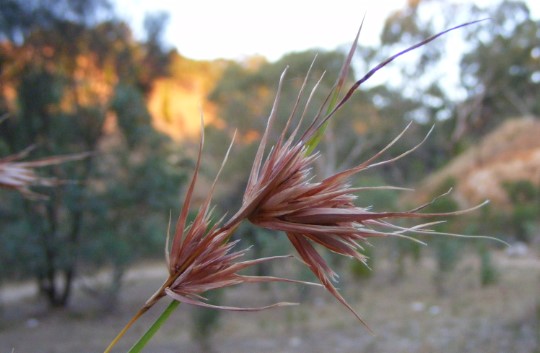
What is the Biodiversity Project taking place at Church of England F - The project began in December 2024. Its goal is to allow selected areas to better support local native plants and animals, while improving environmental sustainability and resilience to climate change. The Church of England F (COE F) section was chosen because it already contains a high number of native Kangaroo Grass.
Project Name: Biodiversity Audit Project
Start Date: December 2024
Completion: Early 2026
What is the Biodiversity Project taking place at Church of England F
The project began in December 2024. Its goal is to allow selected areas to better support local native plants and animals, while improving environmental sustainability and resilience to climate change.
The Church of England F (COE F) section was chosen because it already contains a high number of native Kangaroo Grass.
What are the timelines
• The initial observation period finished in October 2025.
• The project has been extended and will now finish in January 2026.
• Information gathered so far is being used to develop a practical, evidence-based management plan.
How is the area managed
• A “No-Mow” approach was put in place to help native plants establish.
• During winter/spring, this area was accidentally mown as part of a routine mowing run.
• As a commitment to maintaining the area and safe access for families, herbicide was also applied around monument bases. The main grassy areas were not treated.
Project Management moving forward
• The No-Mow approach has now been reinstated across all open areas of Church of England F, except for the walkways between rows.
What have we found
An audit carried out in March 2025 confirmed that the Church of England F section plays an important role in supporting local biodiversity.
Native grasses
• Kangaroo Grass
• Clustered Wallaby-Grass
• Bristly Wallaby-Grass
These grasses help improve soil health and provide habitat for native wildlife.
Native shrubs and trees
• Red Ironbark
• Messmate
• River Sheoak
• Kangaroo Thorn
Ecosystem health
• The presence of the Iridomyrmex purpureus ant shows the area is functioning as
a healthy part of the local ecosystem.
What challenges have we found?
Some non-native plants are competing with local species. Targeted action is planned to manage these threats:
• South African Weed Orchid (declared weed)
High priority. Spot treatment with selective herbicide to stop it spreading.
• Honey Locust (environmental weed)
High priority. Young trees to be removed using a cut-and-paint herbicide method.
• Caterpillar Grass (exotic grass)
Highly competitive. Selective herbicide use in key areas.
• Lavender-Cotton (ornamental/exotic plant)
Selective herbicide use to reduce competition with native ground cover.
Focus for the next six weeks
• Collect feedback through a community survey.
• Prepare easy-to-understand information explaining the ecological findings and proposed management.
• Finalise safety procedures and volunteer registration for future seed collection or propagation sessions.
How can the community get involved?
The project is now moving into a community consultation and planning phase.
We have an active survey underway (see below for details) and in the future we will be seeking volunteers to help with:
• Seed collection
• Plant propagation
• Limited herbicide application (where appropriate)
These activities will support biodiversity and increase community involvement.
Note: No major rewilding works will take place until community consultation is complete.
If you want to volunteer or get involved in the future, please get in touch via:
• Ph: 03 53321469
• Email: enquiries@ballaratcemeteries.com.au
How to Provide Feedback
We want to know what you think about Biodiversity at our Cemetery:
• How important do you think biodiversity is to the overall environment, including each of our cemeteries?
• What aspects of biodiversity do you think we should focus on at Ballarat New Cemetery?
• Do you think we should continue to nurture and promote biodiversity at our cemeteries?
• Are there ways we should be communicating or involving community more regarding the biodiversity projects at Ballarat New Cemetery?
Please submit your feedback by 31st January 2026 using one of the following options:
Online survey via below QR Code - "Biodiversity and Making the cemetery a welcoming space"

Alternatively,
Email: enquiries@ballaratcemeteries.com.au
Mail: Chief Executive Officer
Ballarat General Cemeteries Trust
1250 Doveton Street North
Invermay Park VIC 3350